The ROCKLINC
Library
We must understand the context that forms the backdrop in which the securities we invest in must operate.
Interdisciplinary Thinking is Critical for Investors
why a library?
Everything in life is related, and the most successful investors allow their curiosity and knowledge to span as much of reality as possible.
Forming a mental model of the world; a framework of ideas, attitudes and beliefs rooted in the understanding of the various disciplines of life is essential for long-term investors.
The core disciplines include history, psychology, sociology, mathematics, engineering, biology, physics, chemistry, statistics, economics, philosophy and theology. As capital allocators, we must study and understand the components that make up our world, its thoughts, actions and motivations. This is only possible by using an interdisciplinary approach which recognizes the interconnectedness of life and the need to form a true worldview.
Reading leads to Understanding
We believe that a crucial aspect of investment management is to understand the specific investments, but this is not enough. We must also understand the context that forms the backdrop in which the securities we invest in must operate. This is why we strongly believe in the need for a library, as an essential part of our investment business. At ROCKLINC, one of the first things our clients see when entering our offices is our in-house library. One of our most important activities is to read great books.
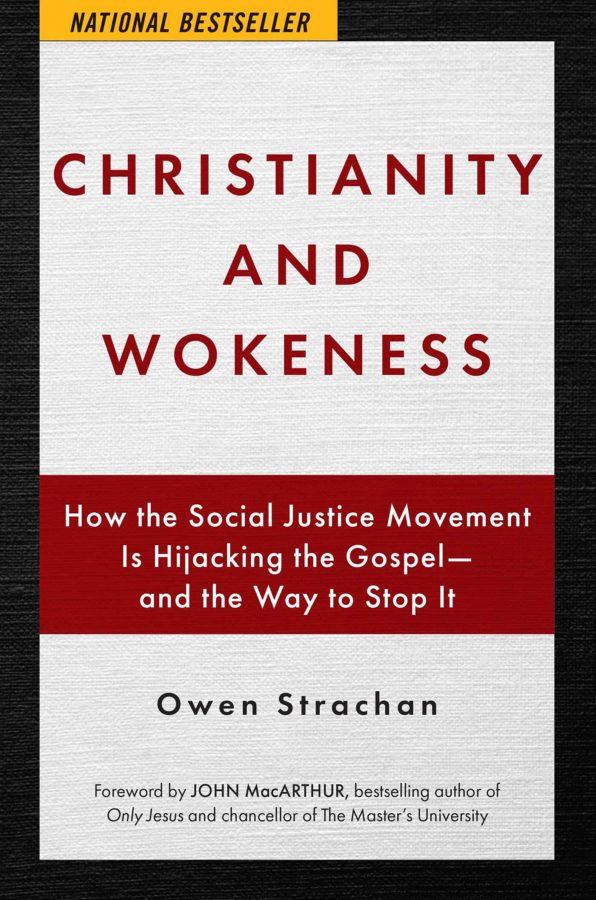
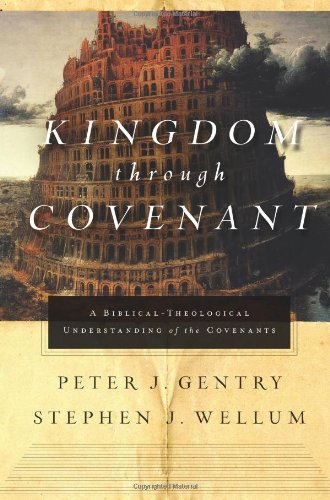
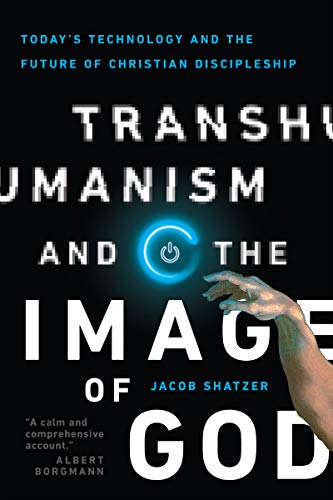
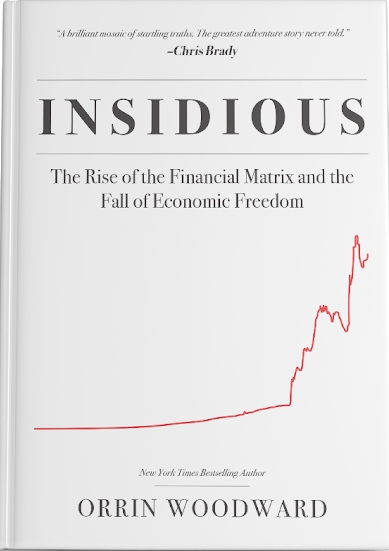
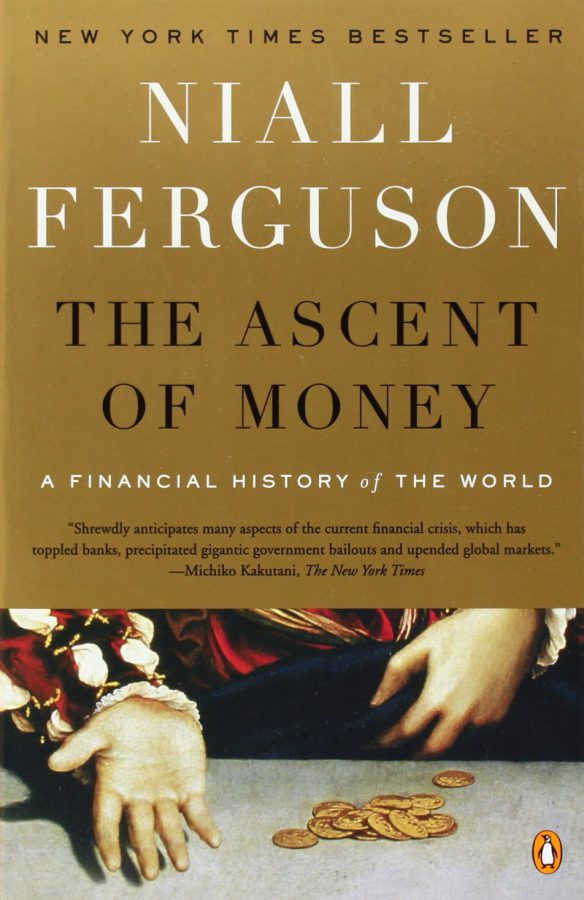
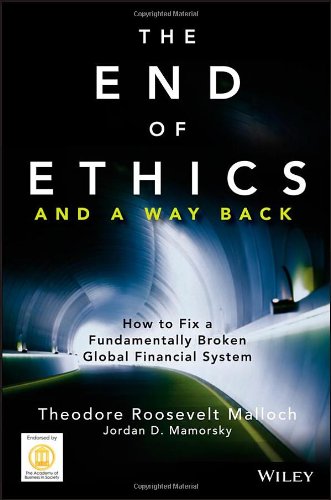
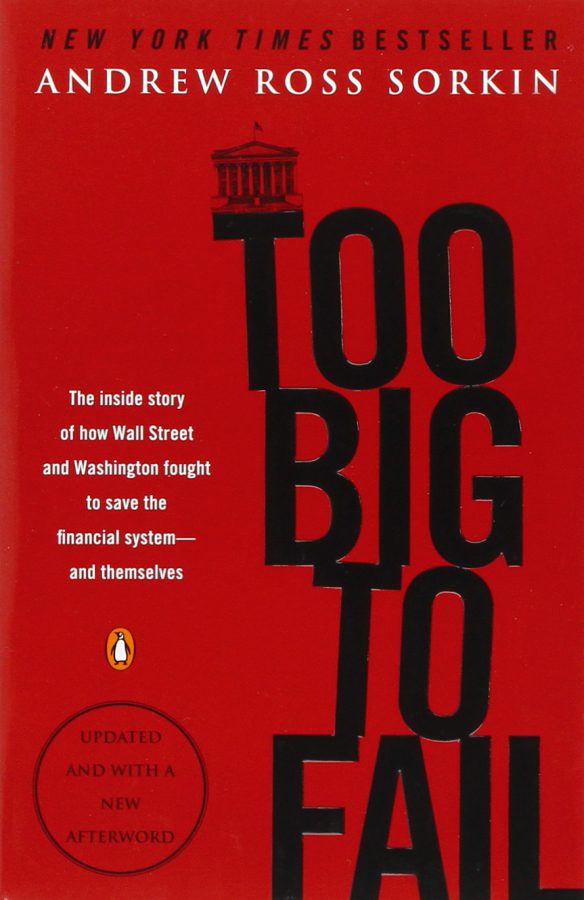
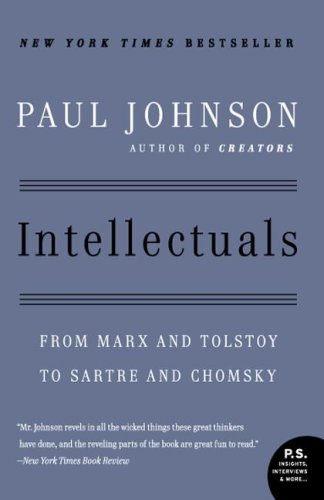
For simplicity we break our library into the following core disciplines: Economics, Finance, Financial History, Philosophy, Sociology & Political Science and Theology. We have listed a handful of wonderful books (many out of them mainstream) in each of our areas. Each one of these books has helped us in the formation of our investment worldview.
Recent Releases









Economics










Finance






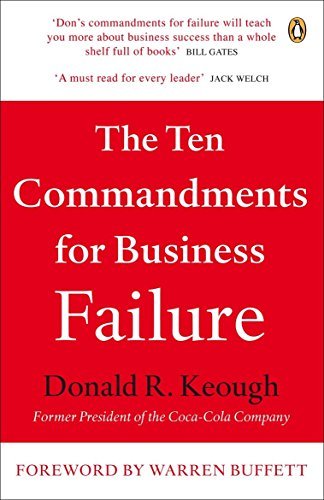
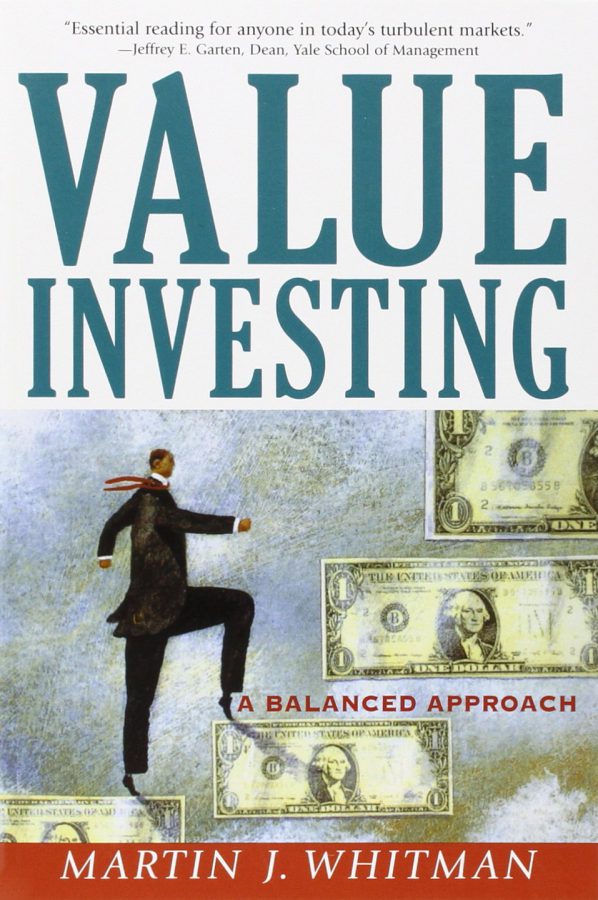
Financial History
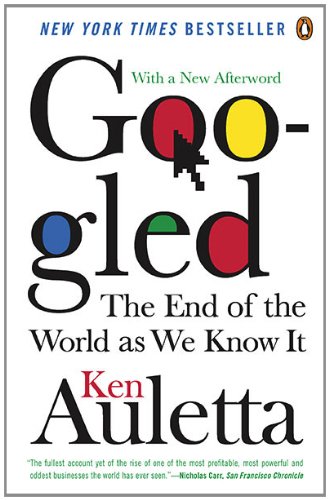
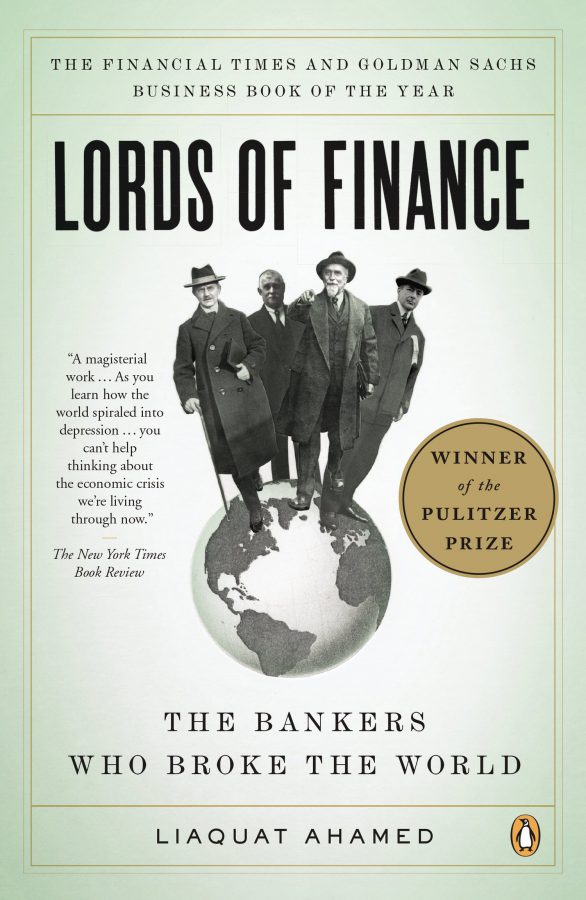


Philosophy









Sociology & Political Science













Theology